

One of the hardest aspects of a cancer diagnosis is the grief that follows—not just over the present, but over the life you thought you would live. Cancer has a way of reshaping everything: from career dreams and family aspirations to relationships and long-term goals. For many in the Black community, this grief is compounded by layers of social inequality, limited access to healthcare, and historical injustice. It’s not only about the opportunities lost, but also about the sense that the deck was stacked against you from the start.
The Heavy Burden of Cancer in the Black Community
At From Me To You: The Art of Survival, we are no strangers to the grief cancer brings. For so many, it’s the sorrow of unfulfilled dreams—whether it’s the degree you didn’t finish, the energy you no longer have to raise your children as you’d imagined, or the inability to meet the expectations of family and community. There’s a deep sense of mourning for the future you had planned, one that now feels out of reach.
What makes this grief even more complicated is the reality that many in the Black community receive their cancer diagnosis late. This delay is often due to systemic barriers—lack of access to quality healthcare, poor awareness, and the cultural stigmas surrounding health issues that prevent many from seeking help early. By the time the diagnosis comes, so much has already been lost, leaving a lingering sense of injustice.
Grieving as a Community, Not Just an Individual
This grief isn’t solely individual—it’s deeply communal. There’s often a pressure to be strong for others, to embody resilience, especially in a community that places immense value on overcoming adversity. The expectation to “keep going” despite the pain can be overwhelming. But cancer doesn’t always leave room for this kind of resilience. It demands a different type of strength—the strength to mourn, to ask for help, and to let go of what once was.
Healing Through Community Support
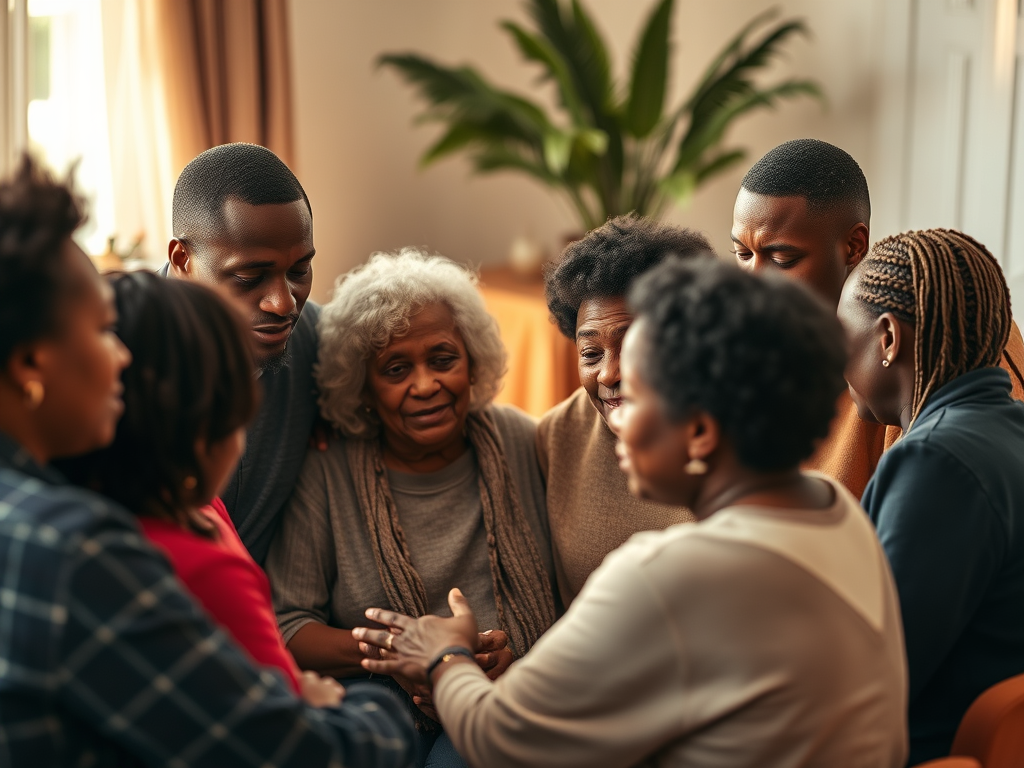
At From Me To You, we provide a compassionate space for individuals to confront and process this grief. We understand that it’s okay to mourn the life you could have had. It’s okay to feel angry, sad, or even lost. But through our workshops, support groups, and advocacy, we also believe in helping our community move forward with hope—a hope that, while the future may look different than expected, it can still be filled with meaning, purpose, and joy.
Moving Forward with Hope
This journey is not just about survival; it’s about reclaiming your future, even if it no longer looks the way you imagined. Through support, community, and open conversations, we can help people rebuild their lives and redefine what fulfillment looks like after a cancer diagnosis.
Raising awareness about cancer’s impact within the Black community is critical—not just in terms of health outcomes but also emotional well-being and identity. By sharing our stories and supporting one another, we can heal not only our bodies but our minds and spirits as well.